The relentless pace of technological change has transformed how we live, work, and interact with the world. From the invention of the internet to the rise of artificial intelligence, technology consistently reshapes our lives. But what does the future hold? By 2025, we can expect groundbreaking innovations to reimagine industries, enhance sustainability, and change how we connect and operate as communities.
Research shows that the technology sector is forecasted to exceed $5 trillion globally by 2025, with industries like AI, blockchain, and immersive experiences driving the charge. Staying informed about future trends is essential—not just for tech enthusiasts but for businesses, policymakers, and individuals alike.
This blog takes an in-depth look at five tech trends predicted to dominate 2025. Whether you’re a forward-thinking entrepreneur or simply curious about what’s next, these innovations promise to shape the future as we know it.

AI and Machine Learning Revolution
Artificial intelligence (AI) is no longer just the stuff of science fiction. By 2025, advancements in AI and machine learning will redefine the way we approach everything from business operations to our daily routines.
More Powerful AI
AI systems are evolving at lightning speed, with tools becoming smarter, faster, and more accessible. Beyond just chatbots and virtual assistants, we will see AI fully automate tasks that once required human intelligence, such as complex data analysis and creative problem-solving. Self-learning AI, which can adapt to and solve new problems without extra programming, will bring unprecedented efficiency to industries worldwide.
For example, companies like OpenAI and Google are leading the charge in AI research, creating systems capable of not only recognizing speech or images but even generating content indistinguishable from human-written text.
Machine Learning Everywhere
Machine learning (ML)—the subset of AI where computers learn from data—is already transforming industries like healthcare, finance, and e-commerce. By 2025, machine learning models will play an even more significant role in personalized customer experiences (think Spotify recommendations taken to the next level), real-time fraud prevention in banking, and predictive maintenance for critical infrastructure.
Ethical Considerations
However, as AI becomes more powerful, ethical concerns grow. Issues like data privacy, algorithmic bias, and the potential for AI misuse need to be addressed. Policymakers, businesses, and researchers must work together to ensure that AI’s growth aligns with human values and benefits society as a whole.
The Metaverse and Immersive Experiences
The metaverse is no longer a vague buzzword; it’s fast becoming a digital universe where users can interact, work, and play in immersive virtual environments. By 2025, the metaverse is expected to be a multi-trillion-dollar industry.
Enhanced VR and AR
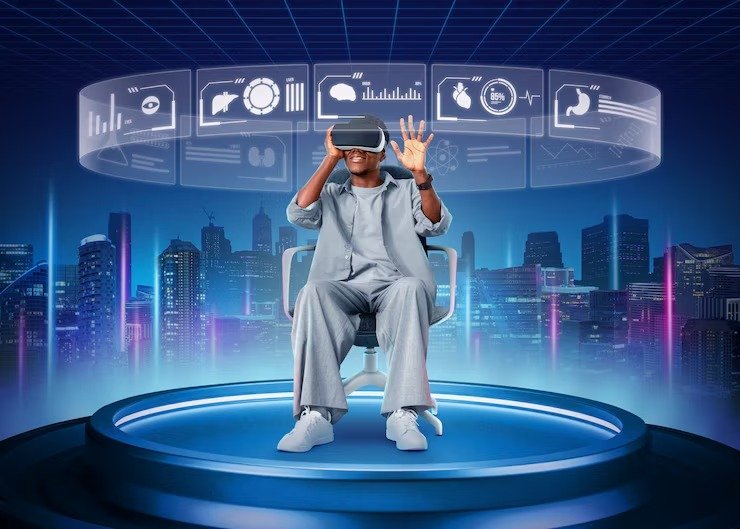
Virtual reality (VR) and augmented reality (AR) are transforming how we interact with digital content. Advances in VR/AR technology will make headsets smaller, more affordable, and more user-friendly. Imagine participating in a lifelike meeting with colleagues from across the globe or exploring distant planets with cutting-edge VR tools.
Digital Communities
Online communities will prosper in the metaverse as platforms like Meta, Fortnite, and Decentraland continue to blend social networking with immersive experiences. These virtual communities are set to revolutionize remote work, gaming, and social events, allowing users to collaborate and socialize in ways once thought impossible.
Real-World Applications
The metaverse isn’t just for gamers. Businesses in fields like education, real estate, and healthcare are already testing metaverse tools, such as virtual medical consultations and real estate tours. These applications will transform industries by making services more engaging, accessible, and efficient.
Sustainable Tech
With climate change concerns mounting, sustainability has become a top priority for technology developers. By 2025, eco-friendly innovations will lead the charge in reducing carbon footprints and creating a more sustainable future.
Green Energy Solutions
Solar panels, wind turbines, and energy storage technologies are advancing at breakneck speed. New materials, such as perovskite solar cells, could make renewable energy systems cheaper and more efficient. Clean energy innovations like hydrogen-powered transportation and small modular nuclear reactors will also gain momentum.
Eco-Friendly Products
From biodegradable plastics to energy-efficient appliances, sustainable consumer products are on the rise. Companies like Tesla and Patagonia are already leading the way by prioritizing environmental responsibility. By 2025, these pioneers will be joined by a wave of startups dedicated to eco-conscious product design.
Reducing Carbon Footprint
Carbon capture and storage (CCS) technologies are emerging as powerful tools in the fight against climate change. These systems pull carbon dioxide from the atmosphere and store it safely underground. Expect significant investment in CCS technologies over the next few years.
Biotech and Healthcare Innovations
Biotechnology is on the verge of a massive leap forward, and by 2025, healthcare systems will look very different from today.
Personalized Medicine
Imagine receiving a healthcare routine designed just for you. Personalized medicine uses genetic information to tailor treatments to individual patients. Advances in biotech will allow for more precise, effective therapies for conditions ranging from cancer to rare genetic disorders.
Advanced Diagnostics
AI-powered diagnostic tools are being developed to detect diseases faster and more accurately. Wearable devices, such as smartwatches equipped with health sensors, will increasingly offer early warnings for conditions like heart disease or diabetes.
Telehealth Expansion
Telehealth technology boomed during the pandemic, and it isn’t slowing down. By 2025, virtual healthcare providers will offer seamless, intuitive experiences through tools like remote patient monitoring and AI diagnostics, ensuring quality care regardless of location.
Blockchain Beyond Cryptocurrency
Blockchain technology has already disrupted the financial world, but by 2025, its impact will extend far beyond cryptocurrency.
Secure Data Storage
Blockchain provides a secure, decentralized way to store data, making it a powerful tool for businesses. From protecting sensitive healthcare data to safeguarding intellectual property, blockchain will redefine data security.
Supply Chain Transparency
Blockchain is helping companies track products from origin to consumer, enhancing accountability and ethical sourcing. Industries like food and fashion are already leveraging blockchain for supply chain transparency, and this trend will only grow.
Digital Identity
Imagine controlling your digital identity securely and effortlessly. Blockchain technology enables individuals to own and manage their own data, reducing fraud and improving online experiences.
Questions People Are Asking
- What is the most disruptive technology trend?
AI and machine learning are considered the most disruptive, with impacts across industries.
- How will AI change our lives by 2025?
AI will automate repetitive tasks, enhance decision-making, and improve personal experiences.
- What are the ethical concerns about new technologies?
Privacy, bias, and misuse of technology are significant concerns that industries must address.
FAQ
- What is AI and how will it affect daily life by 2025?
By 2025, AI will handle routine tasks efficiently, like scheduling, shopping recommendations, or even diagnosing illnesses through telemedicine.
- How will the Metaverse change social interactions?
The metaverse will create immersive spaces for work, play, and socializing, bridging the gap between physical and virtual worlds.
- What are some examples of sustainable tech solutions?
Examples include solar panels, electric vehicles, and carbon capture technologies to reduce environmental impact.
- How will blockchain be used beyond cryptocurrency?
Blockchain will enhance data security, supply chain transparency, and digital identity management.
Driving the Future
The future of technology is as exciting as it is unpredictable. From smarter AI to sustainable solutions, these trends promise to reshape our world by 2025. Staying informed and adaptable will enable us to harness these innovations for progress and prosperity.